
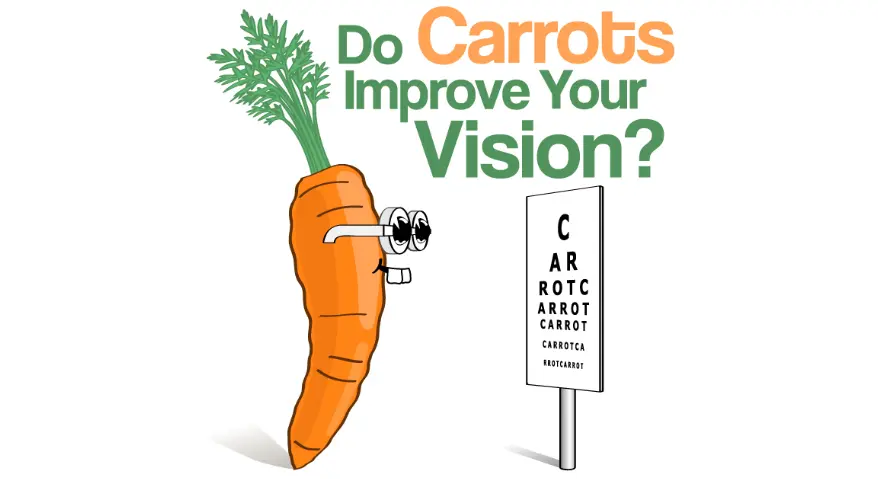
Many people have heard that eating carrots can help protect eyesight, but carrots aren't a panacea for perfect vision. A more scientific explanation is that carrots are rich in beta-carotene, which the body converts into vitamin A. Vitamin A is essential for normal visual function and eye health. Adequate vitamin A intake can indeed help prevent problems such as night blindness and dry eyes, thereby protecting eye health to a certain extent.
So, where does this widespread belief come from? And to what extent is it true? This article will delve into the role of carrots in maintaining eye health from the perspectives of nutrition and ophthalmology, exploring whether they can actually improve existing vision problems. It will also explain various eye-protection methods beyond carrots, helping you scientifically understand the relationship between diet and vision.
To truly protect your eyes, carrots are just one beneficial ingredient. A balanced diet, a healthy lifestyle, and regular eye exams are the key to maintaining good vision and eye health.
How do carrots protect your eyes?
Carrots are often called "eye-protecting foods," and for good reason. Carrots are rich in beta-carotene, an important antioxidant that converts to vitamin A in the body. Vitamin A is crucial for eye health. Its most notable roles include helping to synthesize rhodopsin, which enhances vision in low-light conditions, and maintaining corneal integrity, preventing corneal damage and even corneal ulcers caused by vitamin A deficiency. Carrots also contain lutein, a carotenoid highly concentrated in the macula. Studies have shown that it may slow the progression of age-related macular degeneration (AMD), a common degenerative disease affecting central vision.
It's important to note that most studies on beta-carotene and lutein have focused on supplements rather than food sources. Therefore, while carrots may benefit eye health, consuming large amounts of them doesn't necessarily mean you'll significantly improve or restore vision. For most people, a balanced diet provides enough vitamin A and other antioxidants. Night blindness or corneal problems only occur when a significant deficiency is present.
In terms of clinical research, two landmark studies led by the National Eye Institute—the Age-Related Eye Disease Study (AREDS) and AREDS2—provided definitive data. These studies showed that supplementation with a specific combination of antioxidants (including vitamin C, vitamin E, beta-carotene, zinc, lutein, and zeaxanthin) in patients with advanced AMD can slow disease progression. Dr. Paul Bernstein, the study leader, emphasized that high-dose supplements are not necessary for people without AMD, but that a healthy diet rich in antioxidants and nutrients can significantly benefit cardiovascular and ocular health over the long term.
Are cooked or raw carrots better for your eyes?
The cooking method does make a difference when it comes to the nutritional value of carrots. Studies have shown that cooked carrots significantly increase the absorbability of beta-carotene compared to raw carrots. Beta-carotene is a precursor to vitamin A and is essential for maintaining normal vision and eye health. When carrots are heated, their cell walls are broken down, allowing nutrients to be more easily released and utilized by the body. Therefore, cooked carrots are often more beneficial for protecting the eyes than raw carrots.
Furthermore, scientific research has found that moderate cooking can enhance the overall antioxidant activity of carrots, with some experimental data showing an increase of antioxidant levels by approximately 30%. This means that proper heating not only does not destroy the nutritional value of carrots, but may actually enhance their ability to fight free radicals and slow cell damage.
Of course, whether eaten raw or cooked, carrots provide beneficial nutrients for the eyes. The key is to maintain a varied and balanced diet and incorporate carrots appropriately into your daily diet to maximize their health benefits.
What other foods should you eat to improve vision?
Carrots are certainly beneficial for maintaining vision and eye health, but they're not the only food you can rely on. The American Academy of Ophthalmology states that a truly effective eye-protecting diet should include a variety of foods rich in key nutrients, such as lutein, zeaxanthin, zinc, vitamin C, and vitamin E. These nutrients play an important role in antioxidant defense, preventing cell damage and slowing vision loss.
Dark green leafy vegetables, such as spinach, kale, and broccoli, are excellent sources of lutein and zeaxanthin. These antioxidants help absorb and filter some high-energy blue light, thereby protecting the retina and reducing the risk of diseases like macular degeneration.
In addition, the New York State Department of Health recommends a variety of eye-healthy foods, including sweet potatoes, pumpkin, citrus fruits, eggs, salmon, and walnuts. These foods are not only rich in vitamins and minerals but also provide high-quality protein and healthy fats, which contribute to overall eye function and long-term vision preservation.
It's essential to consult a healthcare professional or a registered nutritionist before making any dietary adjustments. Certain medications or health conditions may affect nutrient absorption or interact with your diet, so personalized guidance is the scientific and safest way to protect your eyes.
Carrots contribute to eye health, but they're not a replacement for glasses
Carrots do have some benefits for eye health, but they shouldn't replace glasses or other corrective measures. Many people have heard since childhood that eating more carrots improves eyesight, but this claim is often exaggerated. The beta-carotene and lutein in carrots are important antioxidants that help maintain corneal health, support dim vision, and, to a certain extent, slow the progression of age-related eye diseases. However, they can't reverse refractive errors like myopia, hyperopia, or astigmatism.
To truly protect and maintain vision, a balanced diet is only part of the equation. If you notice difficulty seeing clearly, the most effective and scientific approach is to get an eye exam and wear the right glasses or contact lenses, rather than relying on carrots to "cure" your vision. Regular eye exams can also help identify and address potential eye problems, ensuring long-term eye health.


