
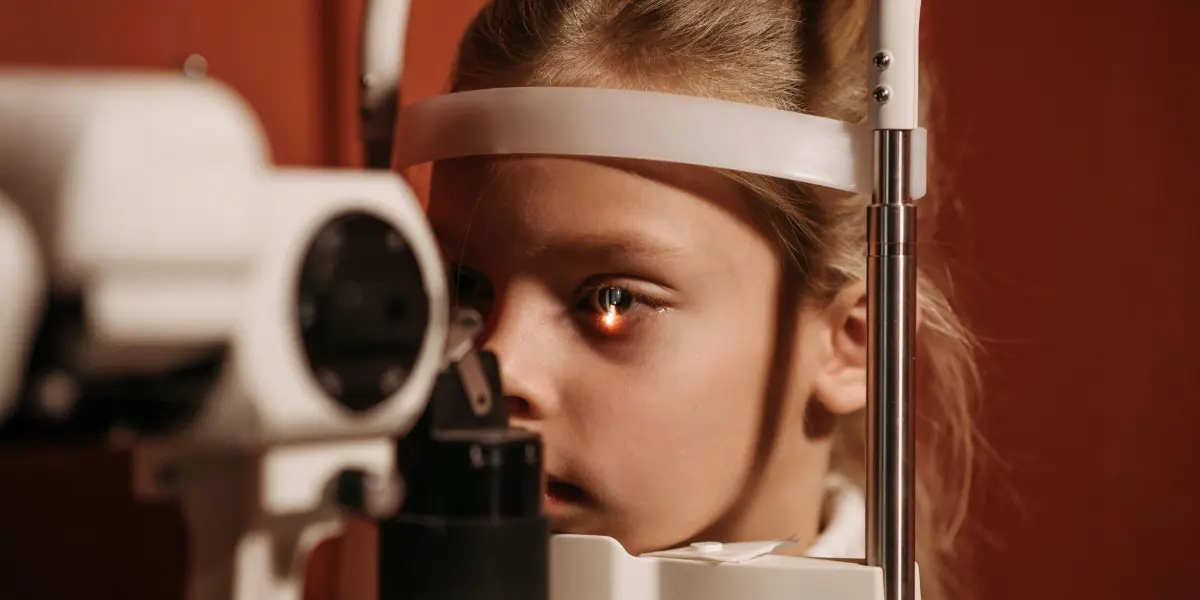
Regular eye exams are essential for maintaining good vision and overall eye health. Whether you need prescription glasses, contact lenses, or simply want to check on your eye condition, routine examinations can help detect potential issues early. However, not all eye exams are the same—different types of tests are designed to address specific needs. For instance, vision screenings, standard eye exams, and comprehensive eye exams each serve different purposes.
In this blog, we’ll explore the factors that influence the cost of an eye exam and explain the common types of eye examinations and their uses, including what to expect and the typical pricing for each. Whether you're going for a routine check-up or seeking professional advice for a particular concern, understanding the differences and costs of various eye exams can help you make informed decisions and find an affordable option that meets your needs—ensuring better long-term eye health.
Average Cost for an Eye Exam
In the United States, the average cost of an eye exam without insurance typically ranges from $75 to $250. The exact price may vary depending on factors such as the type of exam (basic or comprehensive), the provider (independent clinic or retail chain), and the location.
Generally, most insurance plans cover routine eye exams and may even include comprehensive exams. If your insurance covers the service, your out-of-pocket cost is usually between $10 and $50. Without insurance, you may need to pay the full amount. Understanding these cost structures can help you better plan your budget and make informed decisions about your eye care.
Factors Affecting the Cost of Eye Exams & Common Types of Eye Examinations
Regular eye exams are essential not only for maintaining good vision but also for detecting early signs of potential eye diseases. However, the cost of an eye exam can vary significantly based on the type of exam, the provider, and any additional services included. Below, we explore the key factors influencing the cost of eye exams and provide an overview of common types of eye tests to help you make informed decisions about your eye care.
Key Factors That Influence Eye Exam Costs
1. Type of Exam
The cost largely depends on how comprehensive the exam is:
- Basic Eye Exams typically include a vision test and a general assessment of eye health, costing around $50 to $100.
- Specialized Exams for conditions such as glaucoma, macular degeneration, or diabetic retinopathy may cost $100 to $250 or more, depending on the complexity.
2. Type of Provider
The type of eye care professional you see can also affect the price:
- Optometrists generally offer routine vision exams and basic eye disease screenings at a lower cost.
- Ophthalmologists are medical doctors specializing in eye health, offering advanced care and diagnosis. Their services tend to be more expensive.
- Primary Care Physicians (PCPs) may conduct basic vision screenings but typically refer patients to specialists for comprehensive care.
3. Insurance Coverage
As mentioned above, vision insurance can significantly reduce your out-of-pocket costs. However, if you don't have vision insurance, you'll need to pay the full cost of the eye exam. If you're unsure whether you need vision insurance, we recommend reading: Is Vision Insurance Worth It?
4. Additional Services
Some advanced diagnostic services are not included in standard exams and may incur extra fees. Examples include:
- Retinal Imaging: Helps detect early signs of retinal damage or disease.
- Visual Field Testing: Assesses peripheral vision, often used to diagnose glaucoma.
These optional services may cost an additional $20 to $100+.

Common Types of Eye Examinations
1. Vision Screening
A vision screening is the most basic type of eye test, designed to assess how well you can see objects at various distances, typically using a vision chart. These screenings are often part of:
- Routine pediatric checkups or school vision exams
- Annual physicals for adults at a PCP’s office
While vision screenings can flag potential issues, they are not a substitute for a comprehensive eye exam. If a problem is detected, you or your child will be referred to an optometrist or ophthalmologist.
2. Routine Eye Exam
A routine eye exam, typically done annually, includes:
- Testing for refractive errors such as nearsightedness, farsightedness, astigmatism, or presbyopia
- Evaluating whether your current glasses or contact lens prescription needs to be updated
- Basic assessments of eye muscle movement, eye pressure, and pupil response
Routine exams are suitable for most people, especially those without a history of eye disease.
3. Comprehensive Eye Exam
More detailed than a routine check-up, a comprehensive eye exam aims to detect a wide range of eye conditions and can also reveal signs of systemic health issues (e.g., high blood pressure or diabetes). Your eye doctor may dilate your pupils for a better view of the retina and optic nerve. Conditions that may be identified include:
- Cataracts
- Glaucoma
- Macular degeneration
- Diabetic eye disease
- Retinal disorders
Comprehensive exams are especially recommended every 1–2 years for individuals over 40, those with diabetes, a family history of eye disease, or people experiencing symptoms such as:
- Eye pain or dryness
- Blurred or double vision
- Sensitivity to light or difficulty seeing at night
- Seeing floaters, halos, or flashes of light
- Frequent headaches
In some cases, your doctor may recommend additional imaging or functional tests to gather more in-depth information about your eye health.
How to Find Affordable Eye Exams
1. Look for Limited-Time Offers or Bundled Packages
Many eye care providers offer special promotions throughout the year, especially during back-to-school season, end-of-year sales, or annual health checkup campaigns. Some clinics also provide bundled deals that combine eye exams with discounts on glasses or contact lenses. Check provider websites or subscribe to their newsletters to stay informed about the latest offers.
2. Utilize Community Health Programs
Community health centers and local non-profit organizations often provide low-cost or sliding-scale eye exams. These programs are designed to help individuals without insurance or with limited financial resources access essential eye care. Contact local clinics or search online for available resources in your area.
3. Take Advantage of Membership or Discount Health Plans
Some optical chains offer membership or discount health plans for individuals or families without vision insurance. These programs typically operate on an annual fee basis and provide exclusive discounts on eye exams, lenses, and frames. Compared to traditional insurance, they offer flexible coverage with no eligibility requirements.
4. Use Flexible Spending Accounts (FSA) or Health Savings Accounts (HSA)
If your employer offers a Flexible Spending Account (FSA) or Health Savings Account (HSA), consider using it to pay for eye exams. These accounts allow you to use pre-tax income to cover qualified medical expenses, helping reduce your overall financial burden while supporting your family’s eye health.
The cost of an eye exam is influenced by several factors, including the type of exam, the healthcare provider you choose, and whether you have vision insurance. By gaining a clear understanding of these factors and actively exploring available resources, individuals and families can access high-quality eye care while staying within their budget.


