
As we age, our eyes inevitably change, including a decrease in focusing ability, reduced color perception, and a need for brighter light for reading and nighttime driving. While these minor changes are often part of the natural aging process, some vision problems can develop into more serious eye conditions if left untreated.
It's important to note that most common vision impairments can be prevented, delayed, or even treated in their early stages. By seeking medical attention promptly, using glasses or contact lenses appropriately, opting for surgery when necessary, and adopting a healthy lifestyle, we can not only improve our vision now but also reduce the risk of future vision problems.
This guide will help you understand when to seek the help of an eye care professional and provide evidence-based recommendations on how to maintain eye health and prolong your clear vision through daily habits and eye care.
How to Improve Vision
Whether your vision is blurred due to refractive error or your vision loss is caused by eye disease or other health issues, the key to improving vision is to identify the cause and seek professional treatment promptly. In most cases, only an evaluation and intervention by an ophthalmologist or optometrist can provide an effective solution.
What is normal vision?
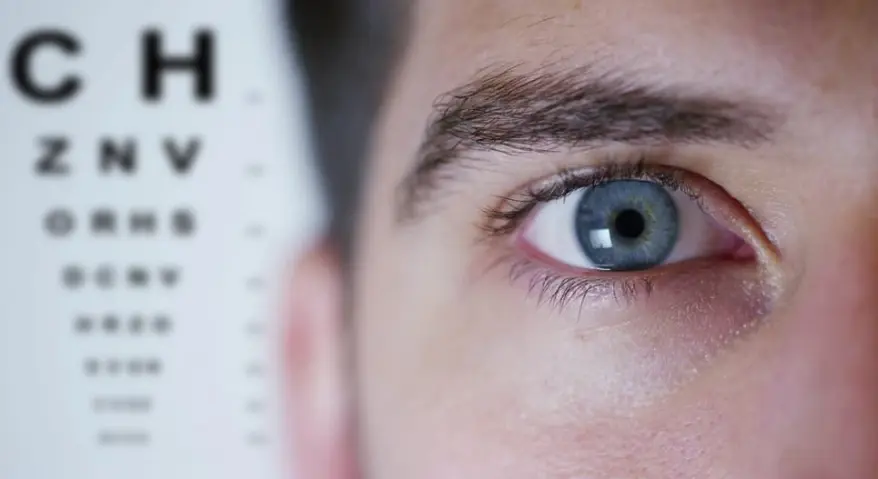
Visual acuity is typically measured as a numerical value, such as 20/20, indicating visual clarity at a specific distance. Any deviation from this standard is often associated with common refractive errors:
Myopia: Distant objects appear blurry
Hyperopia: Difficulty seeing close objects
Presbyopia (age-related farsightedness): Common after middle age, making close reading or work difficult
Astigmatism: Globally blurred vision due to irregularities in the curvature of the cornea or lens
Most of these problems can be corrected with glasses, contact lenses, or refractive surgery.
It is also important to identify underlying eye conditions.
Not all vision loss is related to refractive error. Conditions such as glaucoma, cataracts, macular degeneration, and diabetic retinopathy can cause blurred vision or decreased visual quality. In these cases, improving vision requires diagnosing and treating the underlying condition. For example, if blurred vision stems from eye strain, your doctor may recommend adjusting eye habits or providing specific treatments to alleviate the problem.
Beware of irreversible damage
It's important to emphasize that some eye diseases can lead to permanent vision loss if not addressed early. Therefore, if persistent or significant vision problems occur, consult an ophthalmologist as soon as possible for a targeted diagnosis and treatment plan.
How to Improve Comprehensive Eye Health
Maintaining good eye health depends not only on corrective vision but also on a healthy lifestyle and daily care to prevent disease and slow the decline in visual function associated with aging. The following tips can help you protect your eyes and reduce your risk of vision loss.
1. Get Regular Eye Exams
A comprehensive annual eye exam is fundamental to maintaining vision. Through professional testing, your doctor can detect eye diseases such as refractive error, glaucoma, cataracts, and macular degeneration early and provide targeted treatment and prevention recommendations.
2. Eat a balanced diet that provides key nutrients
A healthy diet provides essential nutritional support for your eyes:
Vitamin A: Maintains vision in dim light (carrots, sweet potatoes, apricots).
Lutein and zeaxanthin: Potent antioxidants that help reduce the risk of age-related macular degeneration (spinach, kale, and collard greens).
Omega-3 fatty acids: Help relieve dry eyes and maintain retinal function (salmon, sardines, tuna). If necessary, supplements can be taken under a doctor's guidance to compensate for dietary deficiencies.
3. Reduce Blue Light Exposure
Long-term exposure to blue light from digital devices can cause eye strain, blurred vision, and headaches. Using blue light-blocking glasses or adjusting eye habits (such as the "20-20-20" rule) can help alleviate symptoms.
4. Wear Protective Eyewear
Wearing safety goggles in high-risk environments (such as chemical handling, woodworking, and sports) can effectively reduce the risk of mechanical or chemical eye injuries.
5. Protect Against UV Damage
UV exposure increases the risk of conditions such as cataracts and macular degeneration. Choose sunglasses with 99%-100% UVA and UVB protection, and pair them with a hat to effectively block UV rays.
6. Avoid Smoking
Smokers are significantly more likely to develop cataracts and macular degeneration than non-smokers. Quitting smoking is an important step in improving long-term eye health.
7. Maintain regular exercise.
Moderate exercise helps improve blood circulation to the eyes and reduces the risk of glaucoma and other metabolic-related eye diseases.
Natural Ways to Improve Vision
In addition to the healthy habits listed above, you can further support eye function through the following methods:
Practice good eye hygiene: Keep your hands clean before inserting or removing contact lenses.
Using protective computer glasses, especially for those who use computers for extended periods and at medium-distance viewing distances, can reduce the strain on the eyes.
Manage chronic diseases: People with diabetes need to pay special attention to their eye health. Data shows that approximately one-third of people with diabetes aged 40 and older are at risk for diabetic retinopathy. However, with early diagnosis and treatment, the risk of blindness can be reduced by approximately 95%.
Maintaining eye health is a long-term process that encompasses medical interventions, lifestyle changes, and disease management. Through regular checkups, a healthy diet, proper protection, and healthy habits, you can significantly reduce your risk of vision loss and extend your years of clear vision.


