
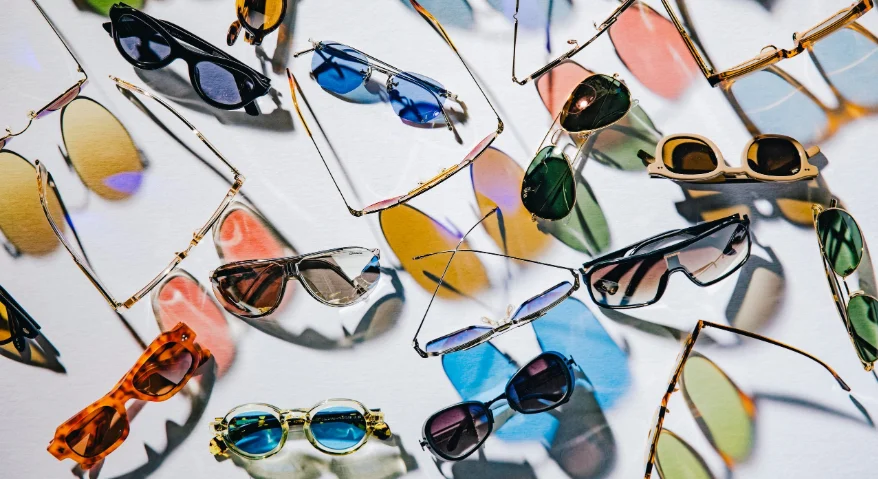
Sunglasses are far more than just a stylish accessory for making a fashion statement; they serve as a vital tool for protecting your eye health. Not only do they offer powerful protection against the harmful effects of ultraviolet (UV) rays, but, much like prescription glasses, they also provide a clear field of vision. However, when faced with the choice between polarized and non-polarized options, you might find yourself feeling a bit confused: What exactly does polarized mean? And which type is truly the right fit for you?
Before selecting your next pair of sunglasses, understanding the key differences between these two options is essential. Simply put, they differ significantly in the way they process light. The following sections will demystify the concept of polarization, using straightforward language to help you make the most informed decision.
What Are Polarized Sunglasses?
If you have ever been blinded by the blinding glare reflecting off a lake, or distracted by reflections from the road while driving, then you can truly appreciate the appeal of polarized lenses. The surface of these lenses features a precise, specialized coating designed specifically to filter out this uncomfortable light.
What Can Polarized Lenses Do for You?
Polarized lenses do more than just darken your field of view; their core function is to eliminate glare. In addition to this, they offer the following benefits:
- More Vivid Colors: By filtering out scattered light, the colors of your surroundings appear more saturated and natural.
- Sharper Vision: They enhance visual contrast, allowing you to discern finer details.
- Reduced Eye Strain: They alleviate the tension your eyes experience when trying to adapt to bright light, effectively helping to prevent headaches.
If you enjoy outdoor sports, fishing, or spend long periods driving, polarized lenses will be your ultimate companion—allowing you to fully enjoy the scenery while ensuring the safety of your vision.
How Do They Work?
To understand polarization, imagine light as waves moving in all directions. Typically, light scatters randomly; however, when it strikes a flat surface—such as calm water, a car hood, or a wet road—the light converges into intense horizontal waves. This is what we know as glare.
The Secret Weapon of Polarized Lenses:
The chemical filter embedded within the lens acts like a series of incredibly fine, vertical fences.
- Precise Blocking: As those horizontally oscillating glare waves attempt to pass through the lens, they are blocked by these "vertical fences."
- Selective Passage: Only the useful, vertical light waves are able to pass through the lens and reach your eyes.
- Safety Tip: Eliminating glare isn't just about comfort, it's about safety. Sudden, intense light reflections can easily cause momentary blindness, potentially leading to traffic accidents. Wearing polarized sunglasses ensures your vision remains clear during critical moments, allowing for quicker reactions.
What is the difference between polarized and non-polarized sunglasses?
When choosing sunglasses, the biggest difference lies in how they handle light reflection. While both high-quality polarized and non-polarized sunglasses offer 100% protection against ultraviolet (UV) rays, they provide vastly different visual experiences:
- Polarized Sunglasses: Think of these as equipping your eyes with a smart filter. They completely eliminate harsh glare caused by reflections off wet pavement, car windows, or water surfaces. When wearing them, you'll notice a clearer field of view and sharper color contrast—making them ideal for driving and water-based activities.
- Non-Polarized Sunglasses: These reduce overall brightness and protect your eyes from UV damage; however, because they lack a specialized anti-glare coating, you may still experience uncomfortable glare when exposed to intense reflected light. Additionally, they are typically more affordable than their polarized counterparts.
3 Simple Methods: Quickly Identify If Your Sunglasses Are Polarized
If you have a pair of sunglasses in hand but aren't sure whether they feature polarization, try one of these simple, "lab-grade" tests:
1. The LCD Screen Test (The Easiest Method)
Find an LCD screen (such as a computer monitor or a car's navigation display). Put on your sunglasses, look at the screen, and then slowly tilt your head 60 to 90 degrees to the left or right.
- If they are polarized: The screen will appear to dim—or even go completely black—as you tilt your head.
- If they have standard lenses: The screen's brightness will remain virtually unchanged.
2. The Double-Lens Overlap Test
If you have two identical pairs of sunglasses—or happen to be in an eyewear store—stack the two pairs on top of each other and look through them. Hold one pair steady while rotating the other pair 90 degrees.
- If they are polarized: The area where the two lenses overlap will turn completely black.
- If they have standard lenses: Light will still pass through the overlapping section.
3. The Real-World Reflection Test
Find a highly reflective surface—such as a metal tabletop in direct sunlight or a still body of water. Look at the reflection through the lenses, and then rotate the angle of the lenses.
- If they are polarized lenses: When the angle is just right, that blinding, hazy glare suddenly vanishes, allowing you to even see objects beneath the water's surface.
- Tip: While polarized lenses are highly effective, they can sometimes make it difficult to read mobile phone screens or instrument panels. Before purchasing, it is advisable to weigh this against your daily usage habits.
Polarized vs. Non-Polarized: Which Is Right for You?
When selecting sunglasses, there is no absolute good or bad choice; the key lies in your specific usage scenario. While polarized lenses are highly favored for their powerful functionality, they are not the perfect choice for every environment.
Advantages of Polarized Sunglasses
For most outdoor enthusiasts, polarized sunglasses are an essential tool for enhancing their quality of life:
- The Ultimate Companion for Outdoor Sports: Whether you are fishing, boating, or hiking, polarized lenses make the sky appear bluer and the grass greener, allowing you to perceive details that ordinary sunglasses would miss.
- X-Ray Vision for Water Activities: They filter out glare reflecting off the water's surface, enabling you to clearly see fish and objects beneath the water.
- A Shield for Driving Safety: They eliminate blinding glare from road surfaces, the bumpers of vehicles ahead, and car hoods, reducing visual fatigue and allowing you to stay more focused while driving during the day.
- A Blessing for Those Sensitive to Light: If you are prone to light sensitivity (photophobia) or have recently undergone eye surgery (such as cataract surgery), polarized lenses provide a softer, more comfortable visual environment.
Disadvantages of Non-Polarized Sunglasses
Although polarized lenses offer numerous benefits, ordinary (non-polarized) sunglasses actually perform better in the following specific situations:
- When Reading Screens or Operating Instruments: The polarizing coating can interfere with Liquid Crystal Displays (LCDs), making it difficult to clearly view your mobile phone, ATM screens, gas station displays, or aircraft instrument panels.
- When Engaging in Sports on Ice: Skiers rely on surface glare to identify the location of icy patches and avoid potential hazards. Polarized lenses eliminate these critical flash warnings, making it difficult to distinguish between fresh snow and hard ice.
- In Dim Light or Nighttime Environments: Polarized lenses are highly effective at blocking light; wearing them in low-light conditions (such as while driving at night) can excessively obscure your vision, creating a dangerous situation.
- For Drivers Watching Out for Black Ice: When driving in extremely cold regions during winter, if you are unsure whether thin ice is present on the road surface, non-polarized lenses allow you to spot potential hazards in time by detecting the tell-tale glare.
Recommendations
- Choose Polarized Sunglasses: If your primary activities involve daytime outdoor leisure, fishing, beach vacations, or daily commuting by car.
- Choose Non-Polarized Sunglasses: Choose the non-polarized model if you are a pilot, frequently engage in alpine skiing, drive on snow- and ice-covered roads, or need to frequently check various electronic instruments.
Conclusion
When it comes to eye protection, many people wonder whether polarized lenses are inherently superior to standard lenses. In reality, there is no absolute distinction regarding health benefits; the key factor lies in your specific needs.
Polarized sunglasses truly excel at eliminating harsh glare, alleviating eye strain, and enhancing safety during physical activities, making them the ideal gear for outdoor enthusiasts. However, they are not the sole standard for eye protection. Whether you opt for polarized or non-polarized lenses, the most critical point is this: ensure that the lenses provide 100% protection against ultraviolet (UV) rays—this is the fundamental requirement for safeguarding your retina against long-term damage.
Our Final Recommendation:
Before making a purchase, try on different pairs in person to experience the visual differences offered by various lenses. The wisest investment is to choose a pair of sunglasses that not only provides clear vision and a comfortable fit but also complements your unique personal style. After all, the best sunglasses are the ones you are eager to wear—even under the blazing sun.


