
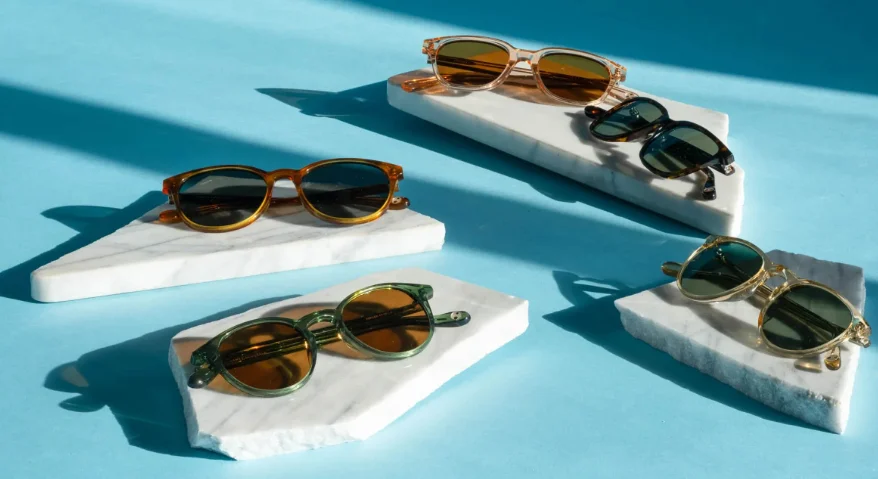
Choosing sunglasses may seem simple, but it actually requires striking a balance between functionality and aesthetics. The current market offers a wide type of sunglasses, from understated, classic neutral designs to trendy, brightly colored styles. However, truly suitable sunglasses depend not only on appearance but also on UV protection, lens material, face shape fit, and everyday usage scenarios.
If you're struggling to choose, this is a very common dilemma. To help you make a more informed decision that suits your needs, this article will systematically outline the key factors to consider when selecting sunglasses and further explain how to choose an ideal style that aligns with your lifestyle and reflects your aesthetic taste while ensuring eye health.
What characteristics should a good pair of sunglasses possess?
A high-quality pair of sunglasses is not only a fashion accessory but also an important tool for protecting eye health. High-quality sunglasses should provide effective protection for the eyes in multiple ways, especially against strong and potentially harmful sunlight. When choosing sunglasses, pay attention to the following core features:
100% UV Protection (UV400): Ensures the lenses completely block UVA and UVB rays, preventing eye damage caused by prolonged exposure.
Premium Frame and Lens Materials: The frame should be lightweight and durable, and the lenses should be scratch-resistant, impact-resistant, and durable, ensuring comfort and safety for long-term wear.
Practical Lens Functions: For example, polarized lenses reduce glare and improve visual clarity; scratch-resistant and stain-resistant coatings extend the lifespan of the lenses.
If your sunglasses meet the above criteria, you've completed the most crucial step. Next, you can choose the most suitable style and features based on your personal lifestyle and aesthetic preferences. To make the selection process more organized, we also provide a step-by-step guide to help you easily find sunglasses that are both practical and stylish.
Step 1: Determine Your Wearing Scenarios and Needs
The first step in choosing sunglasses is determining the scenarios and purposes in which you will wear them. An ideal pair of sunglasses should not only be aesthetically pleasing but also closely match your lifestyle.
Sports and Outdoor Activities: If you frequently engage in running, cycling, rowing, or other outdoor activities, it is recommended to choose lightweight, durable, and sturdy sports frames. Professional sports sunglasses are typically made of impact-resistant materials to ensure they won't slip or add strain during activities.
Everyday Casual and Stylish: If you want to balance everyday wear with a stylish look, choose frames that match your personal style. For example, cat-eye or oversized frames are suitable for those who prioritize fashion, while basic round or square frames in black or gray are better suited for those who prefer a minimalist style.
Do You Need Prescription Sunglasses?
For those who need vision correction, choosing prescription sunglasses is an efficient solution. This way, you can obtain complete vision protection and sun protection without frequently changing your glasses or contact lenses during daily wear. Custom-made prescription sunglasses can usually be ordered directly with just an existing eyeglasses prescription, without any additional complicated procedures. Once you've determined your usage scenario and prescription requirements, you can then choose the appropriate sunglasses frame style and lens features to achieve the best combination of functionality and style.
Step 2: Choosing a Frame Style to Match Your Face Shape
After clarifying the wearing occasion and needs, the next step is to choose the frame style for your sunglasses. The frame not only determines the overall look but also affects wearing comfort and facial harmony.
Common frame shapes include:
Round, square, and rectangular: Classic and versatile, suitable for various styles.
Cat-eye: Upward-sweeping lines highlight a sense of fashion and feminine elegance.
Aviator: Wide lens design, combining casual and cool styles.
Frame selection can be entirely based on personal style or consider your face shape to achieve visual balance:
Round face: Square or rectangular frames are recommended, using straight lines to balance the soft curves of the face.
Oval face: Almost all styles are suitable; wide frames such as aviator or cat-eye can further enhance the proportions of the face.
Heart-shaped face: Round, cat-eye, or aviator frames can neutralize a wider forehead, making the jawline softer.
Square face: Round or oval frames can soften angular features, while aviator styles can add balance.
Triangle face: Round frames or square/rectangular frames with smooth curves can improve facial proportions.
Diamond face: Round or oval frames can balance the prominence of cheekbones, making the overall face more harmonious.
It's important to emphasize that face shape guidelines are only for reference. The primary criteria for choosing frames are still personal preference and comfort. Choosing a pair of sunglasses that makes you confident and comfortable is the most suitable choice.
Step 3: Choosing the Frame Color
The frame color not only affects the overall look but also determines how well the sunglasses coordinate with your everyday outfit. When choosing a color, consider its versatility, personal style, and skin tone:
Classic Versatile Colors: Black frames are simple and elegant, suitable for various occasions and outfits. Tortoiseshell frames, while maintaining versatility, add a touch of personality and warmth, suitable for both formal occasions and a fashionable look.
Vibrant or Unique Colors: For a unique style, choose red, blue, or other brightly colored frames to echo your clothing or accessories and showcase your individuality.
Choose Based on Skin Tone: Cool skin tones (such as fair or pinkish) suit silver, blue, or gray frames; warm skin tones (such as yellowish or olive) are better suited to gold, brown, or orange frames.
Furthermore, you can choose multiple frames in different colors to suit the season or your mood, allowing for flexible switching between functionality and style. In short, when choosing frame colors, you should consider visual harmony, personal style, and versatility to ensure that you feel comfortable and confident when wearing them.
Step 4: Determine Lens Functions
The lens is the most crucial component of sunglasses, determining not only wearing comfort but also directly impacting eye protection. When choosing lenses, focus on the following core functions and characteristics:
UV Protection (UV400)
The primary function of sunglasses is to prevent harmful ultraviolet rays from damaging the eyes. Ideal lenses should block 100% of UVA and UVB rays, a fundamental condition for protecting the eyes from light damage and delaying eye aging.
Polarization Function
Polarized lenses effectively reduce glare from reflections from water, roads, or snow, while enhancing visual contrast and clarity. For those who frequently engage in outdoor activities, driving, or sports, polarized lenses are a highly practical feature.
Lens Material and Structure
High-quality lenses typically use durable polycarbonate, plastic, or glass. For sunglasses requiring prescription correction, high-refractive-index lenses offer a thinner, clearer viewing experience. Material selection directly affects the lens's durability, impact resistance, and overall comfort.
Lens Color
While lens color doesn't affect UV protection, it does alter visual perception and contrast:
Black or Grey: Maintains a natural look, suitable for everyday wear.
Brown, Gold, or Red: Enhances contrast, making details easier to see in bright light.
Special Vibrant Colors: For fashion styling or specific events.
Reflective and Photochromic Lenses
Reflective Lenses: Reflects strong light through a mirror coating, reducing light entering the eyes while enhancing style.
Photochromic Lenses: Remain clear indoors and automatically darken outdoors in strong UV conditions, offering versatility for various scenarios.
Considering these factors, when choosing lenses, prioritize protection while also considering visual comfort and personal preferences. Different brands and suppliers may offer additional features or material options; choose according to your intended use and budget.
In summary
When choosing sunglasses, functionality is just as important as personal preference. The ideal pair of sunglasses is one that matches your aesthetic taste while effectively protecting your eyes.
Functionally, ensuring the lenses offer 100% UV protection is crucial. This effectively blocks UVA and UVB rays, reducing the risk of light damage and protecting your vision. Beyond that, frame style, lens color, and special features (such as polarized or photochromic lenses) can be chosen based on your lifestyle and fashion needs.
Ultimately, choosing a pair of sunglasses that makes you feel confident, comfortable, and safe is the best choice for you.


